PlayStation Co-CEO Hermen Hulstは最近、ゲームにおけるAIの役割に関する彼の視点を共有し、その革命的な可能性を強調しながら、人間の創造性のかけがえのない価値をしっかりと主張しました。 30年間のイノベーションの後、彼の洞察とPlayStationの将来の計画について詳しく読んでください。
AI:人間に取って代わるのではなく、ゲームに革命を起こします
ゲームの状況における二重の需要

Sony Interactive Entertainment CO-CEO、Hermen Hulstは、AIのゲームにおける変革力を認め、BBCのインタビューで、業界を「革命を起こす」ことができると述べています。しかし、彼は、AIがゲームデザインの説得力のあるユニークな「人間のタッチ」を完全に複製しないことを強調しています。
1994年に元のPlayStationが発売されてから30年を祝って、SonyとPlayStationは、業界の進化を直接目撃しました。人工知能の台頭は、ゲームの未来を形作る最も重要な技術的進歩の1つです。
AIの仕事への影響に関して、ゲーム開発コミュニティ内に懸念が存在します。 AIはありふれたタスクを合理化し、効率を高めますが、創造的なプロセスへの潜在的な侵害についての恐怖は残り、仕事の移動につながります。この懸念は、アメリカの声優の間の最近のストライキによって強調されており、人間の才能を置き換えるためのコスト削減尺度としての生成的AIの使用に抗議します。これは、最近の更新で英語の音声オーバーコンテンツが認識されているため、 Genshin Impact Community内で特に顕著な傾向です。

CIST市場調査の調査では、ゲーム開発スタジオのほぼ3分の2がすでにAIを利用してワークフローを最適化していることが明らかになりました。調査では、「調査したスタジオの62%が、主に迅速にプロトタイプに、概念、資産の作成、およびワールドビルディングのために、ワークフローでAIを使用したと答えた」と述べています。
Hulstは、バランスを見つけることの重要性を強調しています。「AIを活用することと人間のタッチを維持することとの間の適切なバランスを打つことが重要です」と彼は言いました。 「ゲームには二重の需要があると思います。1つはAI主導の革新的な体験と、手作りの思慮深いコンテンツのためのものです。」

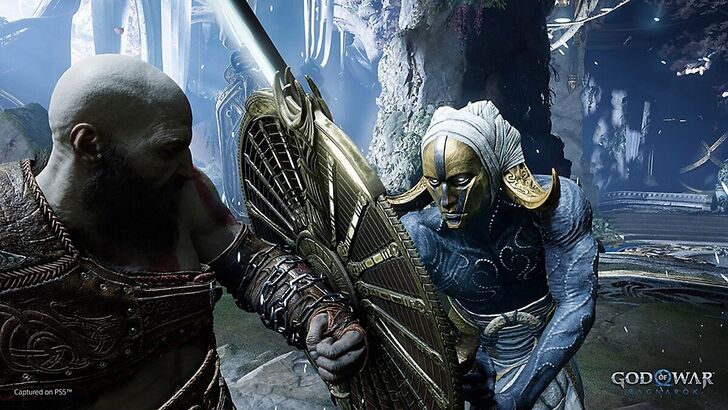
PlayStationは、2022年に設立された専用のソニーAI部門を含むAIの研究開発に積極的に従事しています。ゲームを超えて、同社はマルチメディア拡張を調査し、ゲームIPSを映画やテレビシリーズに適応させ、 God of War Amazon Prime Showの継続的な開発を例として引用しています。ハルストは、「プレイステーションのIPをゲームカテゴリの外で上げて、それを高めて、より大きなエンターテイメント業界で快適に座ることを望んでいます。」と述べました。
この拡張戦略は、本からアニメに至るまでの膨大なポートフォリオを備えた日本のマルチメディアの巨人であるカドカワコーポレーションを買収することに対するソニーの噂の関心をめぐる推測を促進します。ただし、詳細は明らかにされていません。

PlayStation 3:野心の教訓

PlayStationの30周年を記念して、元PlayStationのチーフであるShawn Laydenは、彼のキャリアを振り返り、会社の旅に対する洞察を共有しました。彼は、PlayStation 3(PS3)時代を「イカロスの瞬間」と説明し、「私たちは太陽に近づきすぎたので、生き残って幸運で幸せでした。」 PS3に対するチームの野心的なビジョンは、コアゲームを超えた機能を網羅しており、当時は過度に複雑で費用がかかりました。
レイデンは、その後のフォーカスの変化を強調しました。「PS3は私たちを第一原則に戻しました。また、マシンの中心がゲームでなければならないことも学びました。PS4が出てきたとき、Xboxがやろうとしていることに反して私たちを設定しました。 [彼らは]マルチメディアエクスペリエンスをより多く構築し、キックアスゲームマシンを構築したかっただけです。」このコアゲームに再び焦点を合わせたことは、PS4の成功に極めて重要であることが証明されました。

The phrase "What It Means" is often used as a title or theme to explore deeper understanding, significance, or interpretation of a situation, concept, experience, or identity. In the context of "What It Means" as a standalone phrase — especially in relation to SVP, which could stand for "Senior Vice President", "Sustainable Value Proposition", or even a reference to a person or brand — the meaning depends heavily on context.
Here are a few possible interpretations:
1. If "SVP" = Senior Vice President (Corporate Leadership)
"What It Means" could refer to:
The responsibilities and influence of a Senior Vice President in an organization.
The weight of leadership, decision-making, and accountability at that level.
A reflection on what it truly means to hold such a high-ranking position — not just the title, but the impact, pressure, and ethical considerations.
👉 Example:
"What It Means to Be an SVP: More Than a Title — It’s About Legacy, Trust, and Strategy."
2. If "SVP" = Sustainable Value Proposition (Business/Strategy)
"What It Means" might explore:
How a company creates long-term value while being environmentally and socially responsible.
The shift from profit-only thinking to holistic sustainability.
The deeper implications of building a business model that benefits people, planet, and profit.
👉 Example:
"What It Means to Have a Sustainable Value Proposition in 2024."
3. If "SVP" is a Person or Brand (e.g., a Music Artist, Podcast, or Movement)
"What It Means" could be:
The name of a song, album, or series exploring identity, purpose, or personal journey.
A reflection on values, culture, or personal growth.
👉 Example:
An artist named SVP releases a project titled "What It Means" — a soulful exploration of fatherhood, legacy, and mental health.
4. Philosophical or Existential Interpretation
"What It Means" might simply be a meditation on:
Purpose in life
The meaning of success, power, or identity
How people define their own value
👉 Example:
"In a world obsessed with titles and rankings, what does it really mean to matter?"
Final Thought:
"What It Means" is a powerful phrase that invites introspection. When paired with SVP, it likely challenges us to look beyond the surface — whether that's a job title, a business model, or a personal journey — and ask:
"What is the deeper significance? Who are we serving? What values are we upholding?"
If you have a specific context (e.g., a company, song, book, or speech), I’d be happy to help unpack it further.