The Outer Worlds 2 Expands RPG Character Freedom
Author: Claire
Jan 07,2026


[Note: All footage is from a work-in-progress alpha build.]
After experiencing The Outer Worlds 2 firsthand, it's evident that Obsidian prioritized deeper RPG mechanics. While the first game offered streamlined character progression for accessibility, the sequel encourages unconventional playstyles and avoids homogeneity—though complexity isn't the sole focus. Here, creativity thrives: players must specialize their builds and embrace unorthodox decisions that shape their journey.
"We're incentivizing experimentation with both traditional and unconventional builds," explained design director Matt Singh during our discussion about the overhauled RPG systems. He emphasized synergies between Skills, Traits, and Perks, creating unique playthroughs. Our exclusive 11-minute gameplay preview showcased revamped gunplay, stealth, gadgets, and dialogue. For this IGN First feature, we're dissecting these systemic changes.
"The first game often resulted in jack-of-all-trades characters, diluting personal experiences," said lead systems designer Kyle Koenig. Obsidian addresses this by abandoning grouped Skill categories, instead implementing standalone Skills with sharper distinctions. "Each level-up matters more now. Players clearly see which Skills align with their playstyle—whether focusing on firearms or medical tech—making specialization effortless."
Singh added, "We're blending concepts beyond typical stealth/combat/speech archetypes. Observation, for instance, reveals environmental secrets like hidden doors, creating alternate pathways." This refinement encourages players to develop truly distinct character identities.
4 Images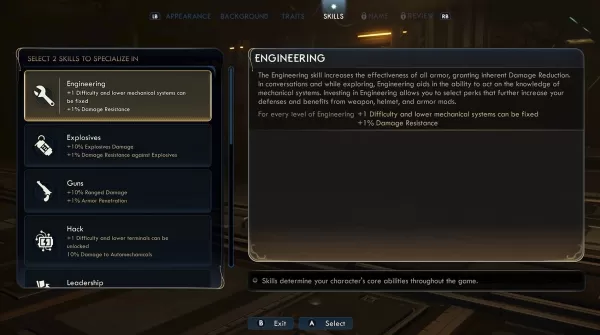
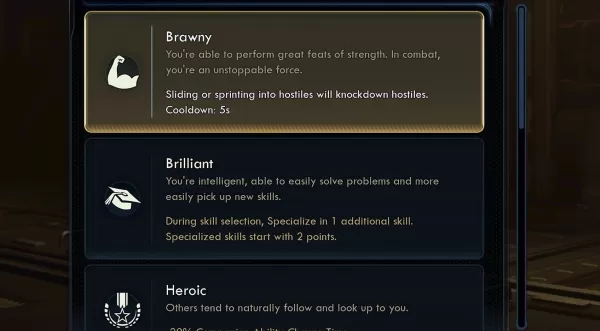
While traditional for RPGs, this separation creates greater build diversity—especially when combined with the revamped Perks system.
With over 90 Perks requiring specific Skills, builds branch dramatically. Koenig cited Run and Gun (enabling firing while sprinting/sliding) and Space Ranger (dialogue-based damage boosts) as examples. "We analyzed every gameplay action and created modifiers to transform them," he explained.
Singh described psychopathic builds where killing NPCs grants permanent buffs: "In Obsidian fashion, you can slaughter everyone—the game adapts, making subsequent playthroughs wildly unpredictable."
For tactical players, Koenig detailed elemental builds: plasma-based self-healing, shock-induced enemy manipulation, or armor-melting corrosive attacks—all viable.
Singh highlighted risk-reward mechanics: "Some builds incentivize taking damage to unlock advantages—converting weaknesses into strengths." This philosophy extends to Traits and Flaws.
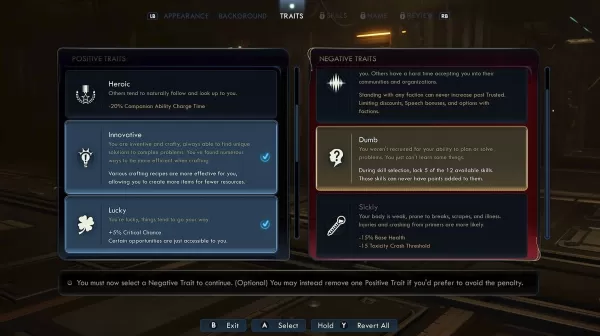
Expanding on Fallout's legacy, Traits now feature deeper tradeoffs. Accept Brilliant (extra Skill points) by taking Dumb (locking five Skills) or Brawny (knockdown sprint) alongside Sickly (reduced health). Obsidian has crafted more meaningful decisions during character creation.
25 Images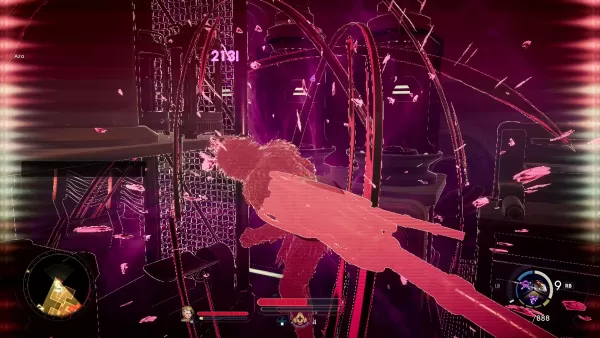
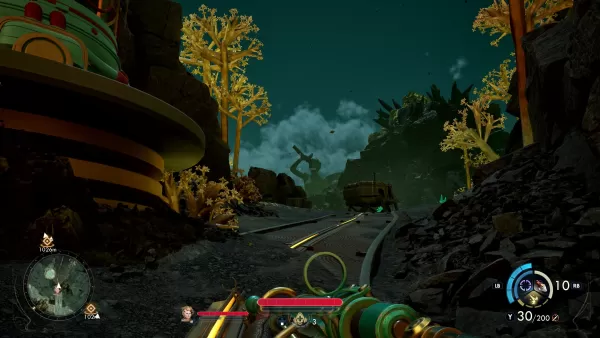

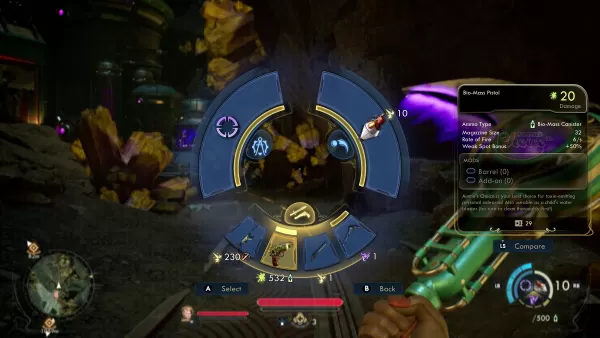
Flaws now present clever dual-effect conditions that appear organically based on playstyle—a significant improvement over the original's often-ignored system.
Obsidian ensures clarity through tutorial videos and UI markers, including Perk favoriting for build planning. However, post-intro respecs are disabled. "This makes your journey uniquely yours," Koenig stated. Singh concluded: "Every choice should carry weight, creating memorable gameplay consequences." Their vision? An RPG where decisions resonate throughout your adventure.