モンスターハンターは本当に何についてですか? |モンスターハンターのテーマと物語に深く潜る
著者: Madison
Feb 24,2025


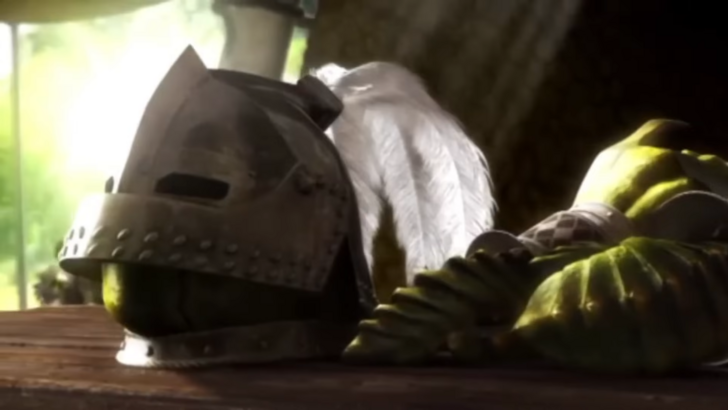 モンスターハンターの物語は、しばしばその単純な性質のために見落とされがちで、よく見られるに値します。このディープダイブは、根底にあるテーマとゲームプレイに織り込まれたストーリーを探ります。
←モンスターハンターワイルドのメイン記事に戻る
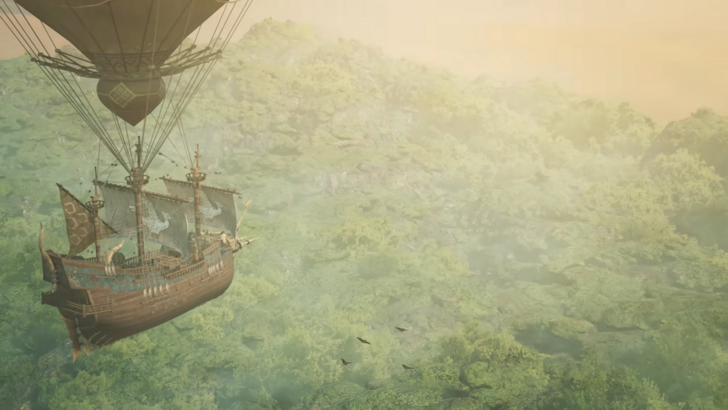 モンスターハンターシリーズは、そのストーリーでは主に知られていません。多くの人は、ゲームプレイがクエストの完了を中心に展開するミッションベースの構造のために、その物語を却下します。しかし、それは本当に簡単ですか?モンスターハンターは、単に利益、ファッション、またはスポーツのためにモンスターを狩ることについてですか?より深い意味を明らかにするために、シリーズの核となる物語を調べましょう。
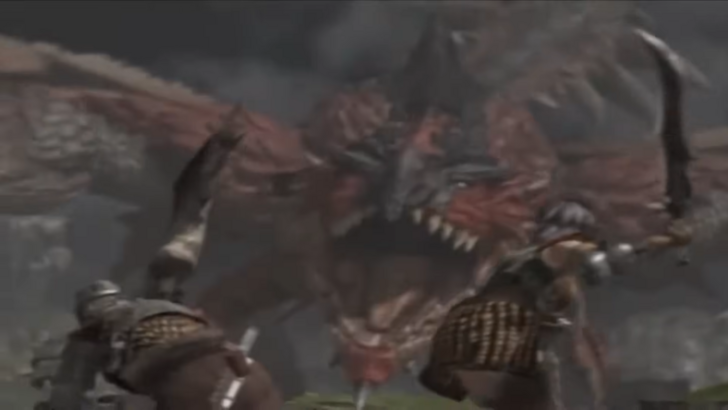 ほとんどのモンスターハンターゲームも同様の構造を共有しています。初心者ハンターはクエストを受け入れ、徐々に進行してますます強力なモンスターを狩り、最終的に村のトップハンターになります。この進行は、挑戦的なモンスターを打ち負かし、最終的なボスの戦いで頂点に達し(例:モンスターハンター1のファタリス)、コアゲームプレイループを形成します。より精巧なストーリーラインを組み込んでいますが、新しいタイトルでさえも、この基本構造を保持しています。しかし、世界、上昇、その拡張などのゲームは、より顕著で包括的な物語を特徴としています。
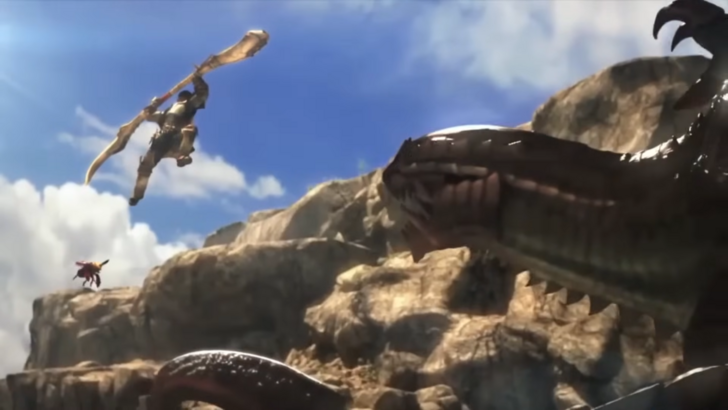 シリーズは、ハンターを生態学的バランスを維持する力としてしばしば描写しています。たとえば、モンスターハンター4(MH4)は、マガラとその熱狂的なウイルスを強調しています。ゴア・マガラを倒すことは、バランスを回復するために重要なものとして提示されます。
しかし、モンスターハンター:ワールドとアイスボーンは、より微妙な視点を提供します。 Iceborneの終わりは、人間がバランスを回復するよう努めている間、彼らは自然のプロセスについて多くを学ぶべきであることを明らかにしています。一見敵対的な行動にもかかわらず、バランスの自然な力としてのネルギガンテの役割は、このテーマを強調しています。
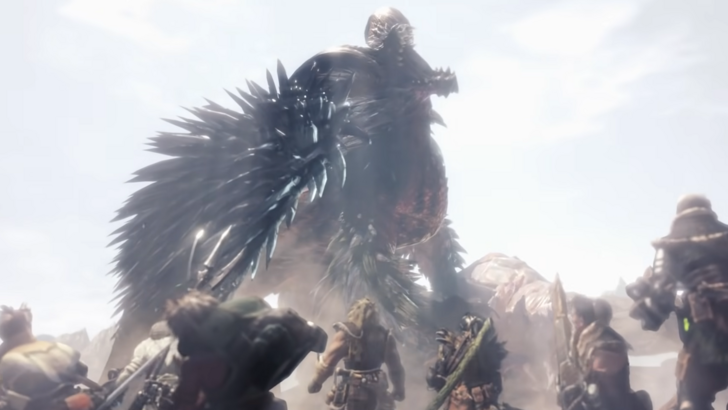 ベースゲームのエンディングは、ハンターを「サファイアスター」、ガイドライトとして描写し、ゲーム内の「ファイブオブザファイブ」を参照しています。これは、研究委員会がハンターに導かれた自然の守護者としての役割を受け入れることを示唆しています。 Iceborneの終わりはこれとは対照的であり、自然のプロセスをさらに理解する委員会の必要性を示し、人間の介入がなくても自然の回復力を強調しています。
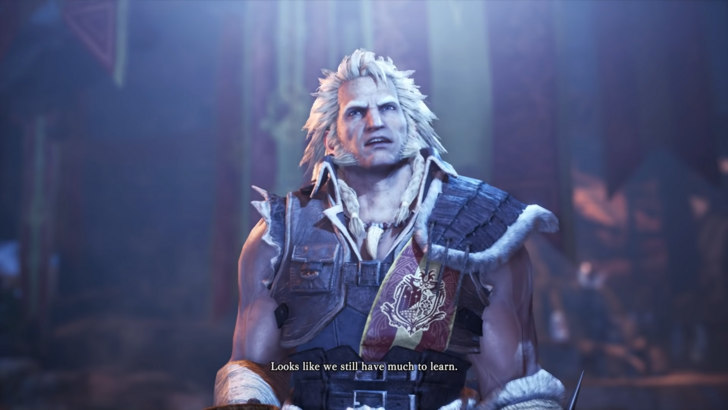 このテーマの並置は、現実世界の生態学的ダイナミクスを反映しており、人間の干渉がなくても自然の適応性と生存を強調しています。解釈的ですが、これは単純なモンスター狩りを超えたより深い物語を示しています。これは、ハンターに対するモンスターの視点を考慮することにつながります。
MH4での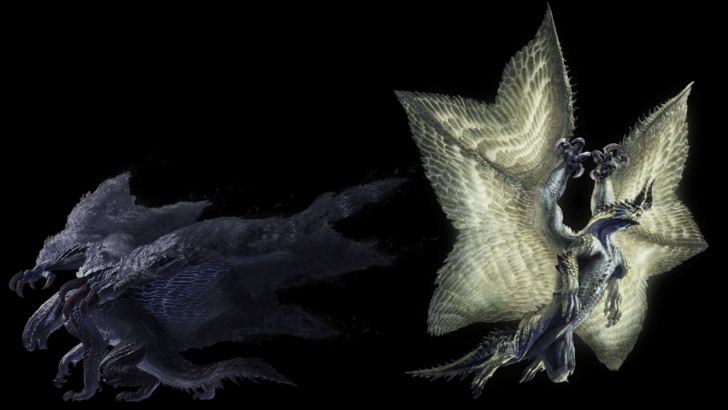 、ゴア・マガラを倒すと、より大きな脅威が明らかになります:Shagaru Magala。これは、機器をアップグレードし、より強力な課題に直面したプレイヤーのエクスペリエンスを反映しています。これは、モンスターもハンターに応じて学び、適応することを示唆しています。
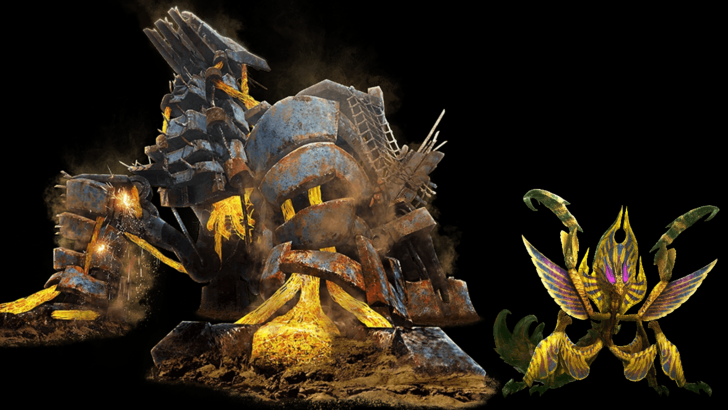 AHTAL-KA、モンスターハンター世代の最終ボス究極は、これを例示しています。そのユニークなデザイン(機械的な創造を操縦する巨大な昆虫)は、ハンターの創意工夫を反映しています。ハンターのような武器と構造の使用は、人間の影響に対する自然の適応を強調しています。これは、モンスターハンターライズのシルクバインドの動きの前身と見なすことさえできます。
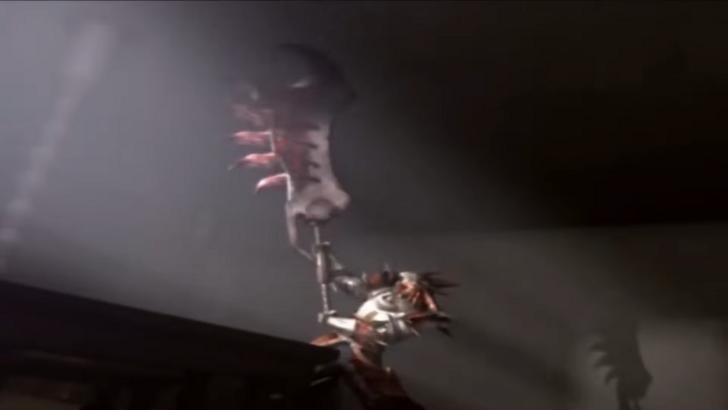 最終的に、Monster Hunterは、プレイヤーの改善と課題の克服の旅に関するものです。ハンターが敗北したモンスターハンターフリーダム2のティグレックスとの最初の出会いは、この最初の敗北を克服するために明確な目標を確立します。
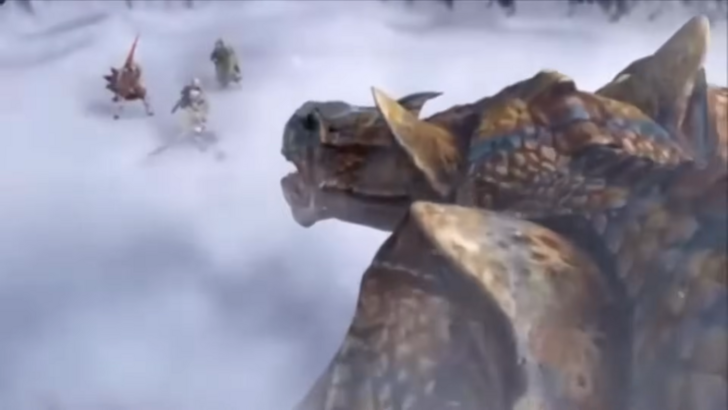 は、後に同じモンスターと出会い、現在は機器が改善されているため、プレーヤーの進捗状況を強調しています。この個人的な物語は、明示的に述べられていませんが、ゲームの魅力の重要な要素であり、Soulsシリーズのようなゲームで見られる挑戦主導型の満足度と同様です。
 新しいゲームにはより明示的なストーリーラインが組み込まれていますが、課題を克服するコアエクスペリエンスは依然として中心的です。この個人的な物語は、生態学的バランスの進化するテーマとモンスターへのハンターの反省と相まって、豊かで記憶に残る体験を生み出します。モンスターハンターは常に最も説得力のある物語を持っているとは限りませんが、それは事実上、ゲームプレイと個人的な成長をユニークで魅力的な体験に絡み合っています。