マーベルライバルのベータは、わずか2日でコンコードのプレイヤーカウントを上回ります
著者: Amelia
Feb 27,2025


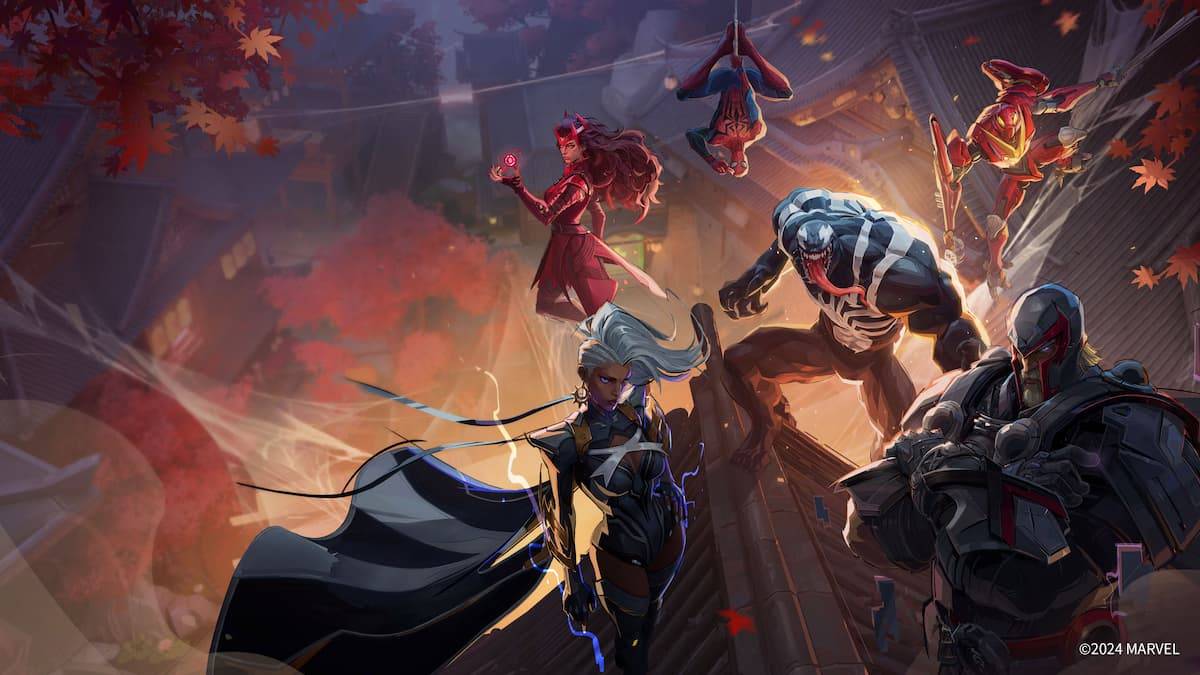
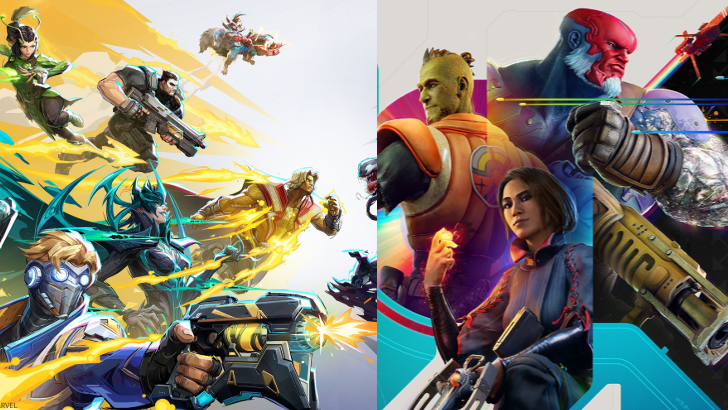 Netease GamesのMarvel Rivalsは、SonyとFirewalk Studiosのコンコードをベータ版プレーヤー数に大幅に上回り、プレーヤーのエンゲージメントにかなりの格差を示しています。
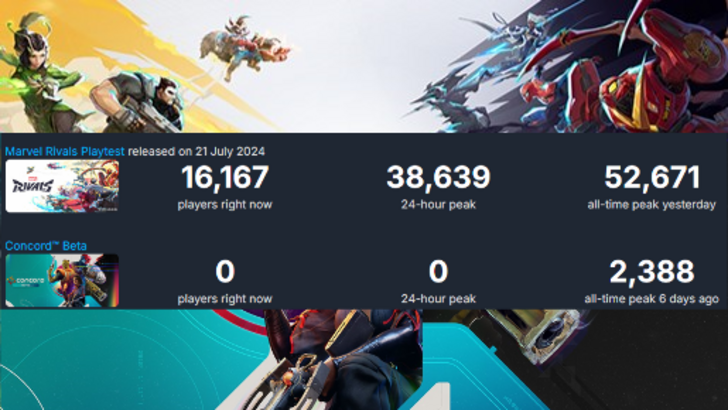 そのベータ発売からわずか2日以内に、マーベルのライバルは50,000人以上の同時プレーヤーを誇り、コンコードのピークを2,388のピークにしました。この実質的な違いは、プレーヤーの受信の大きなギャップを強調しています。 7月25日の時点で、マーベルライバルのピークの同時プレイヤー数は蒸気で52,671に達しました。この蒸気カウントは、総プレーヤーベースの潜在的にかなりの部分であるPlayStationプレーヤーを除外していることに注意することが重要です。しかし、格差はコンコードの見通しについて深刻な疑問を提起し、特に8月23日に公式の打ち上げ日が近づいています。
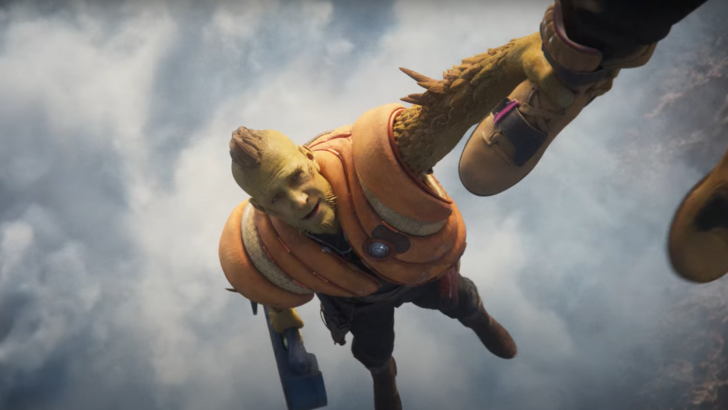 は、閉じられたオープンベータフェーズに続いていても、Steamの最もウィッシュリストに登録されたチャートに多数のインディータイトルに遅れをとっており、苦労し続けています。この低ランキングは、ベータテストに対する熱狂的ではない反応を示しています。対照的に、マーベルのライバルは、 dune:Awakening や Sid Meier's Civilization VII などのタイトルとともに、トップ14の最もウィッシュリストのゲーム内で顕著な地位を享受しています。
コンコードの闘争は、多くの潜在的なプレーヤーを除く、40ドルの早期アクセスベータ価格タグによって悪化しています。 PS Plusのサブスクライバーは無料でアクセスできますが、これには有料のサブスクリプションが必要です。すべての人が利用できるオープンベータは、ピークの同時ユーザーが1000人のプレイヤーが増加するだけでした。
逆に、マーベルのライバルは最初から無料でプレイできるモデルを採用しました。閉じたベータ版にはサインアップが必要でしたが、蒸気でそれを要求する人にアクセスが容易に付与されました。
競争力のあるヒーローシューティングゲーム市場はすでに飽和しており、コンコードの高い価格帯は、代替案を求めて多くのプレーヤーを阻止した可能性があります。
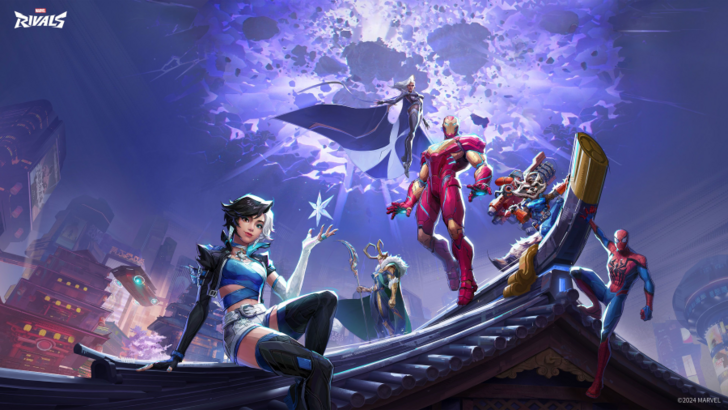 は、混雑した市場内の異なるアイデンティティのコンコードの欠如に関する懸念も一般的です。強力で認識可能なIPを活用するマーベルのライバルとは異なり、コンコードは独自の魅力を確立するのに苦労しています。当初は Overwatch と Guardians of the Galaxy のブレンドと呼ばれていましたが、多くの人はどちらのフランチャイズの魅力にも欠けていると感じていました。
ただし、 Apex Legends や Valorant のようなゲームの成功は、有名なブランドが大規模なプレーヤーベースにとって必ずしも重要ではないことを証明しています。逆に、 Suicide Squad:Kill the Justice League の13,459人のプレーヤーのピークは、強力なIPだけが成功の保証ではないことを示しています。
コンコードをマーベルのライバルと比較することは、後者の確立されたIPを考えると不公平に思えるかもしれませんが、両方ともヒーローシューターであることは、コンコードの激しい競争を強調しています。