1970年代は、マーベルコミックにとって大きな変化の時代でした。 「The Night Gwen Stacy Died」やDoctor Strangeの神との出会いのように、注目すべきキャラクターやストーリーラインがデビューしましたが、1980年代は極めて重要な時代を迎えました。マーベルの最も有名なクリエイターの多くは、旗艦タイトルで象徴的なランを開始しました。この時代は、フランク・ミラーのデアデビル、ジョン・バーンのファンタスティックフォー、デビッド・ミシェルニーのアイアンマン、クリス・クレアモントのX-メンのピークが、ロジャー・スターンの驚くべきスパイダーマンとウォルト・サイモンソンのトールがすぐに続くことを見ました。これらのクリエイターは、これらのキャラクターの永続的な遺産を大幅に形作りました。
1980年代は、マーベルの真の黄金時代と見なされる可能性があります。この記事では、パート7に焦点を当てた、Essential Marvel Comicsの調査を続けています。
より重要なマーベル
- 1961-1963-宇宙の誕生
- 1964-1965-センチネルが生まれ、キャップデソーが生まれています
- 1966-1969 -Galactusがマーベルを永遠に変えた方法
- 1970-1973-夜はグウェン・ステイシーが死んだ
- 1974-1976-パニッシャーは犯罪との戦争を開始します
- 1977-1979-スターウォーズは破産からマーベルを救います
ダークフェニックスサガとその他の史上最高のX-メンストーリー
1975年に始まったクリスクレアモントの影響力のあるX-Menランは、1980年代初頭に最も影響力のある物語を見ました。 Dark Phoenix Saga(X-Men#129-137)は、間違いなく最も有名なX-メンの物語です。宇宙の存在とヘルファイアクラブに支えられたダークフェニックスへのジャングレイの変革は、彼女をX-メンに攻撃します。ジョン・バーンが共同プロットして鉛筆で描いたこの宇宙のサガは、キティ・プライド(シャドウキャット)、エマ・フロスト、およびダズラーを紹介しました。ジャン・グレイの犠牲は、最終的には一時的なものですが、痛烈な瞬間のままです。映画の適応は不足していましたが、アニメシリーズはサガを効果的に捉えました。
緊密に続いて、将来の過去の日々(X-Men#141-142)は、センチネルが支配する終末論的な未来を防ぐために過去を変えている大人のキティ・プライドを特徴としています(1965年に最初に導入されました)。この2号アークは非常に影響力のあるままです。
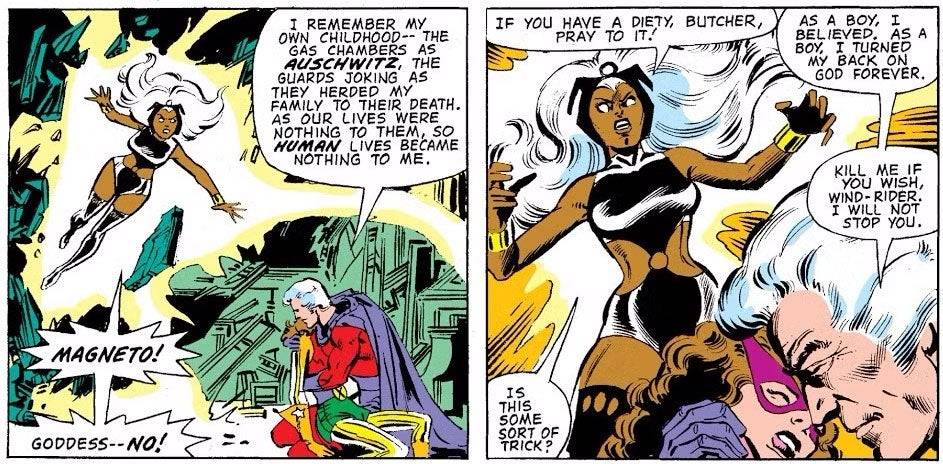
X-Men#150は、マグネトーのホロコーストサバイバーバックストーリーを明らかにしています。
ローグ、シーハルク、そして新しいミュータントの最初の出現
著名な女性ヒーローを含む、1980年代にいくつかの重要なキャラクターがデビューしました。 Rogueは当初、Avengers Annual#10の悪役であり、MystiqueのBrotherhoodに加わり、Carol Danvers(Ms. Marvel)Powersを吸収しました。この問題はまた、キャロルが彼女の過去のトラウマに関する彼らの不作為をめぐるアベンジャーズとの対立を強調しました。
Savage She-Hulk#1は、Bruce BannerのいとこであるJennifer Waltersを紹介し、輸血の後に力を獲得しました。彼女の最初のソロシリーズは絶賛されていませんでしたが、アベンジャーズとファンタスティックフォーとのその後の出演は彼女のキャラクターを固めました。
マーベルグラフィックノベル#4でデビューした新しいミュータントは、人気のあるX-メンのスピンオフになりました。最初のチームには、キャノンボール、サンスポット、カルマ、ウルフスベイン、ダニムーンスター(ミラージュ)が含まれていました。 Illyana Rasputina(Magik)が後に参加しました。
デアデビル、アイアンマン、キャプテンアメリカの象徴的なストーリーライン
デアデビル#168は、フランク・ミラーの決定的な走りの始まりをマークし、エレクトラとキャラクターのザラザラした犯罪の再考を紹介しました。この実行は、#191を通じて継続して、主要な敵としてキングピンを確立し、エレクトラの象徴的な死を含めました。
アイアンマン#149-150、デビッドミシェルニーとボブレイトンの「Doomquest」は、ドクタードゥームとのアイアンマンの最初のソロバトルを特集し、アーサーティタイムズに送ります。アイアンマンのローグのギャラリーにおけるこのドゥームの地位を固めました。
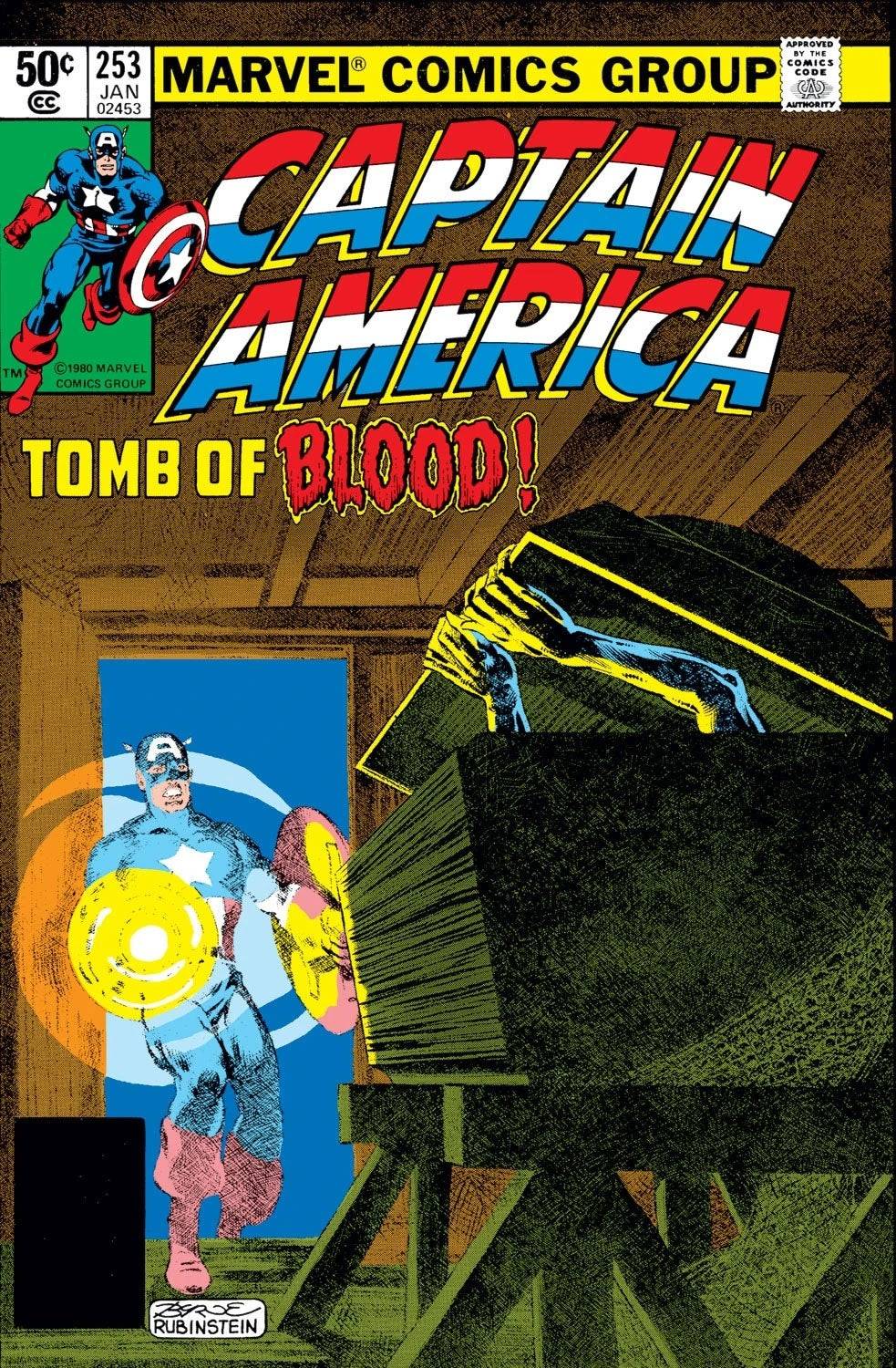
ロジャー・スターンとジョン・バーンのキャプテン・アメリカ#253-254は、ナチスの吸血鬼であるバロン・ブラッドとのより暗いストーリーラインで、キャップの対立を描いています。
ムーンナイトはヒーローになり、マーベルはGIジョー神話の作成に役立ちます
ムーンナイト#1は、彼の最初の登場ではありませんが、キャラクターをヒーローとして確立し、彼のバックストーリーと代替の性格を詳述しました。
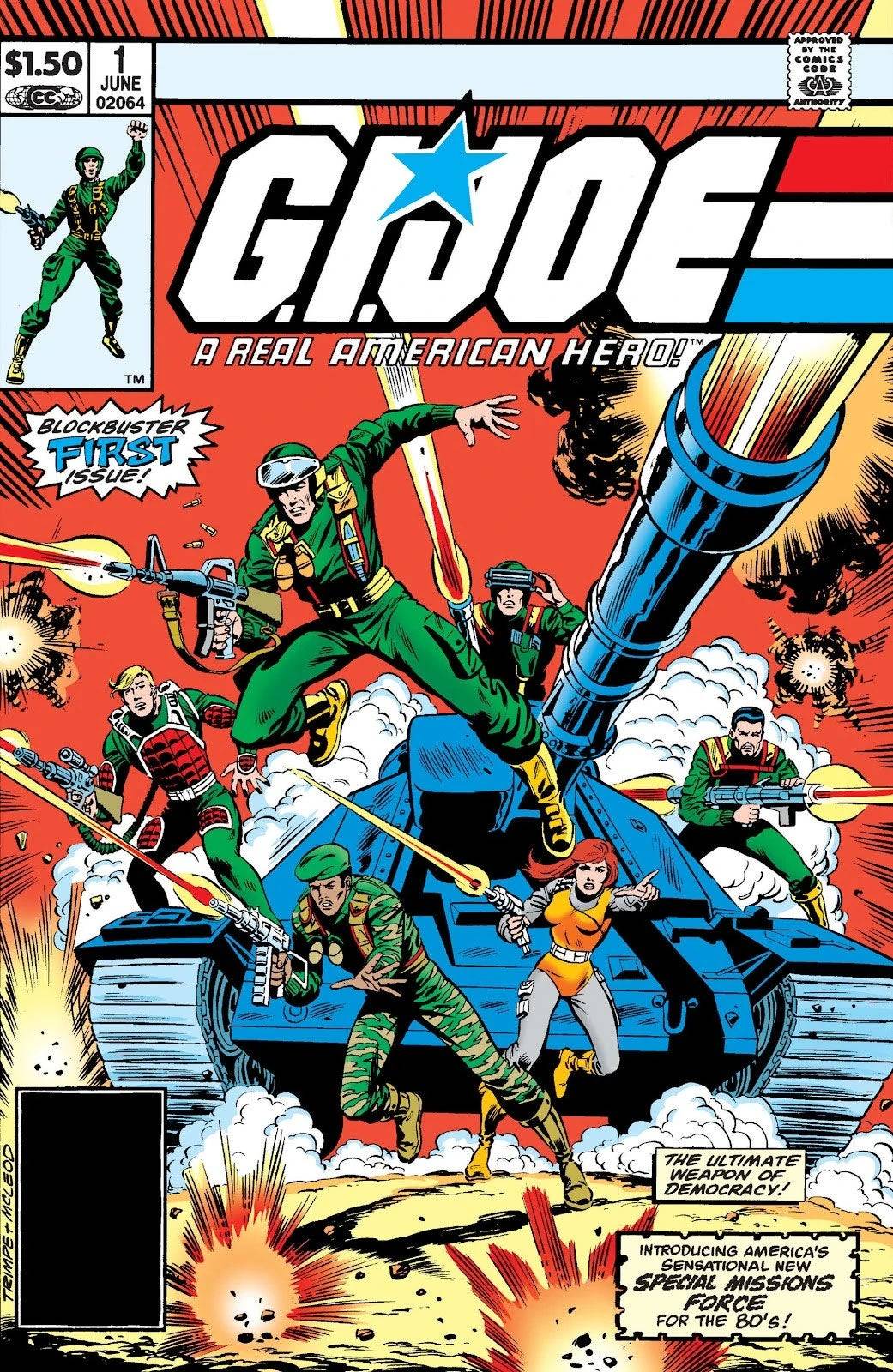
Gi Joe#1は、驚異的な所有の財産ではありませんが、その創造は主にマーベルに負っています。マーベル編集者のアーチー・グッドウィンはコブラを妊娠し、ラリー・ハマはスカーレット、スネーク・アイズ、ストーム・シャドウ、レディ・ジェイ、男爵領などのキャラクターを開発しました。ハマの作品は、特に女性の読者の間で、Gi Joeを人気のタイトルにしました。

The phrase "What It Means" is often used as a title or theme to explore deeper understanding, significance, or interpretation of a situation, concept, experience, or identity. In the context of "What It Means" as a standalone phrase — especially in relation to SVP, which could stand for "Senior Vice President", "Sustainable Value Proposition", or even a reference to a person or brand — the meaning depends heavily on context.
Here are a few possible interpretations:
1. If "SVP" = Senior Vice President (Corporate Leadership)
"What It Means" could refer to:
The responsibilities and influence of a Senior Vice President in an organization.
The weight of leadership, decision-making, and accountability at that level.
A reflection on what it truly means to hold such a high-ranking position — not just the title, but the impact, pressure, and ethical considerations.
👉 Example:
"What It Means to Be an SVP: More Than a Title — It’s About Legacy, Trust, and Strategy."
2. If "SVP" = Sustainable Value Proposition (Business/Strategy)
"What It Means" might explore:
How a company creates long-term value while being environmentally and socially responsible.
The shift from profit-only thinking to holistic sustainability.
The deeper implications of building a business model that benefits people, planet, and profit.
👉 Example:
"What It Means to Have a Sustainable Value Proposition in 2024."
3. If "SVP" is a Person or Brand (e.g., a Music Artist, Podcast, or Movement)
"What It Means" could be:
The name of a song, album, or series exploring identity, purpose, or personal journey.
A reflection on values, culture, or personal growth.
👉 Example:
An artist named SVP releases a project titled "What It Means" — a soulful exploration of fatherhood, legacy, and mental health.
4. Philosophical or Existential Interpretation
"What It Means" might simply be a meditation on:
Purpose in life
The meaning of success, power, or identity
How people define their own value
👉 Example:
"In a world obsessed with titles and rankings, what does it really mean to matter?"
Final Thought:
"What It Means" is a powerful phrase that invites introspection. When paired with SVP, it likely challenges us to look beyond the surface — whether that's a job title, a business model, or a personal journey — and ask:
"What is the deeper significance? Who are we serving? What values are we upholding?"
If you have a specific context (e.g., a company, song, book, or speech), I’d be happy to help unpack it further.