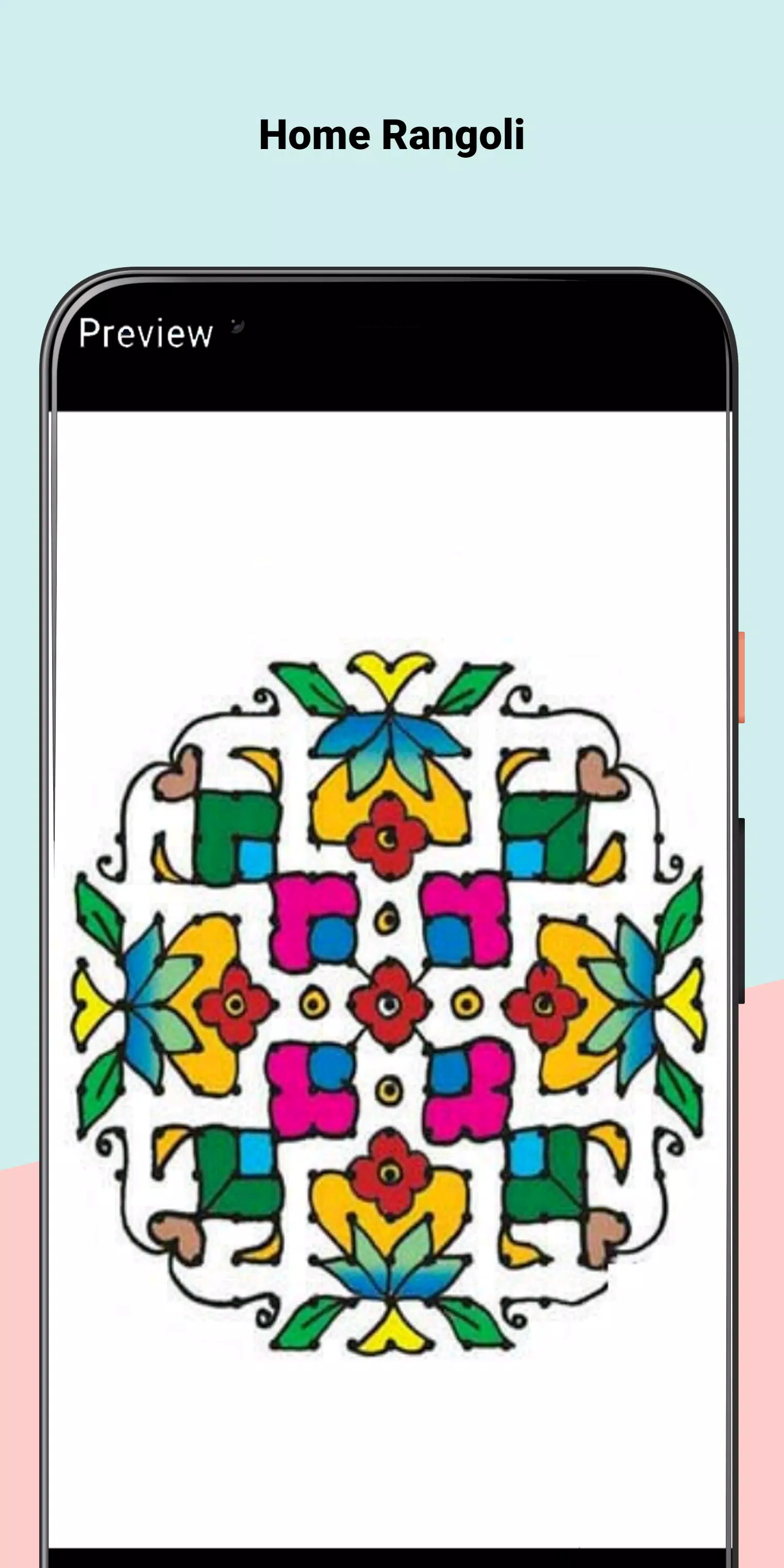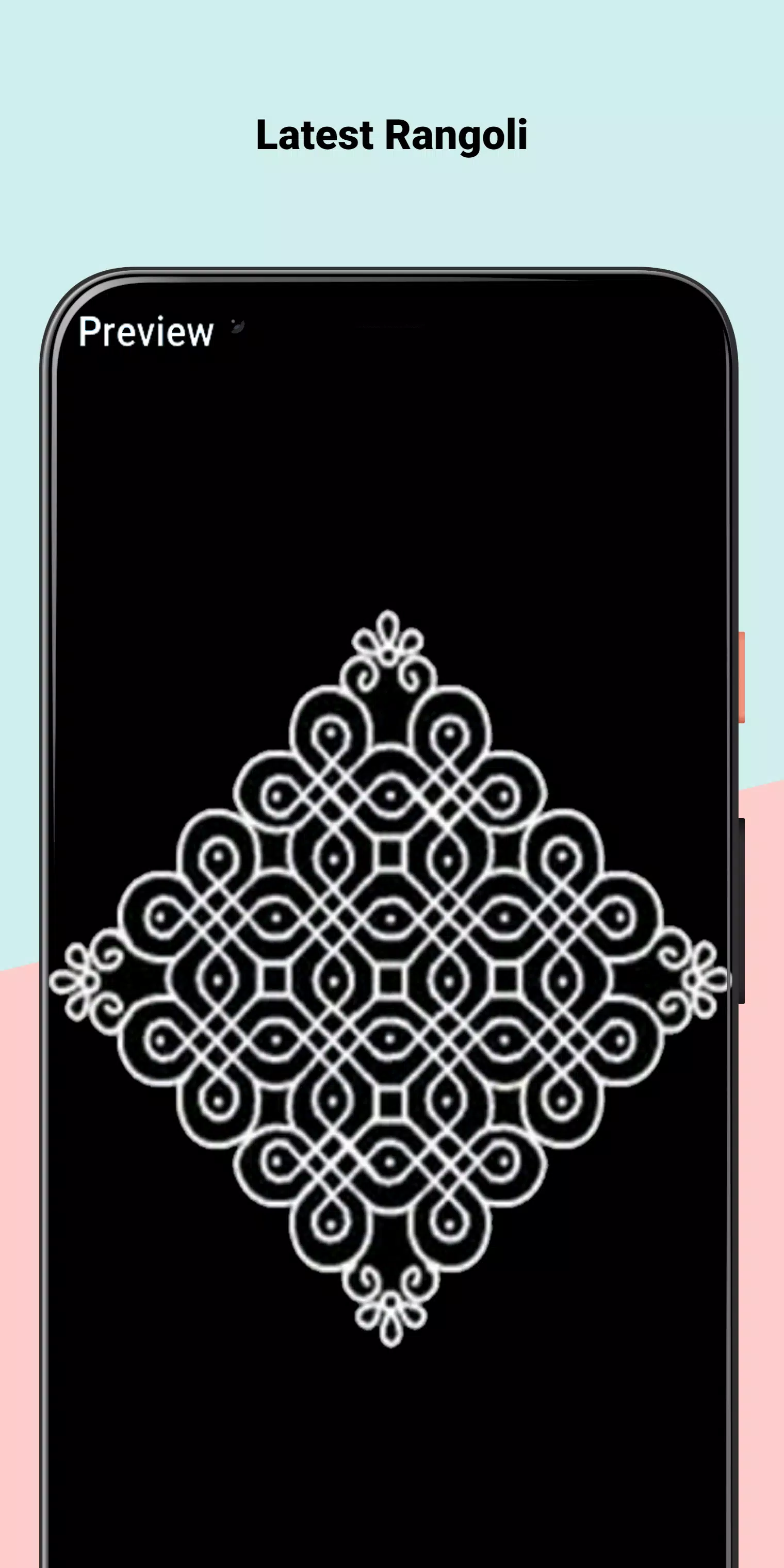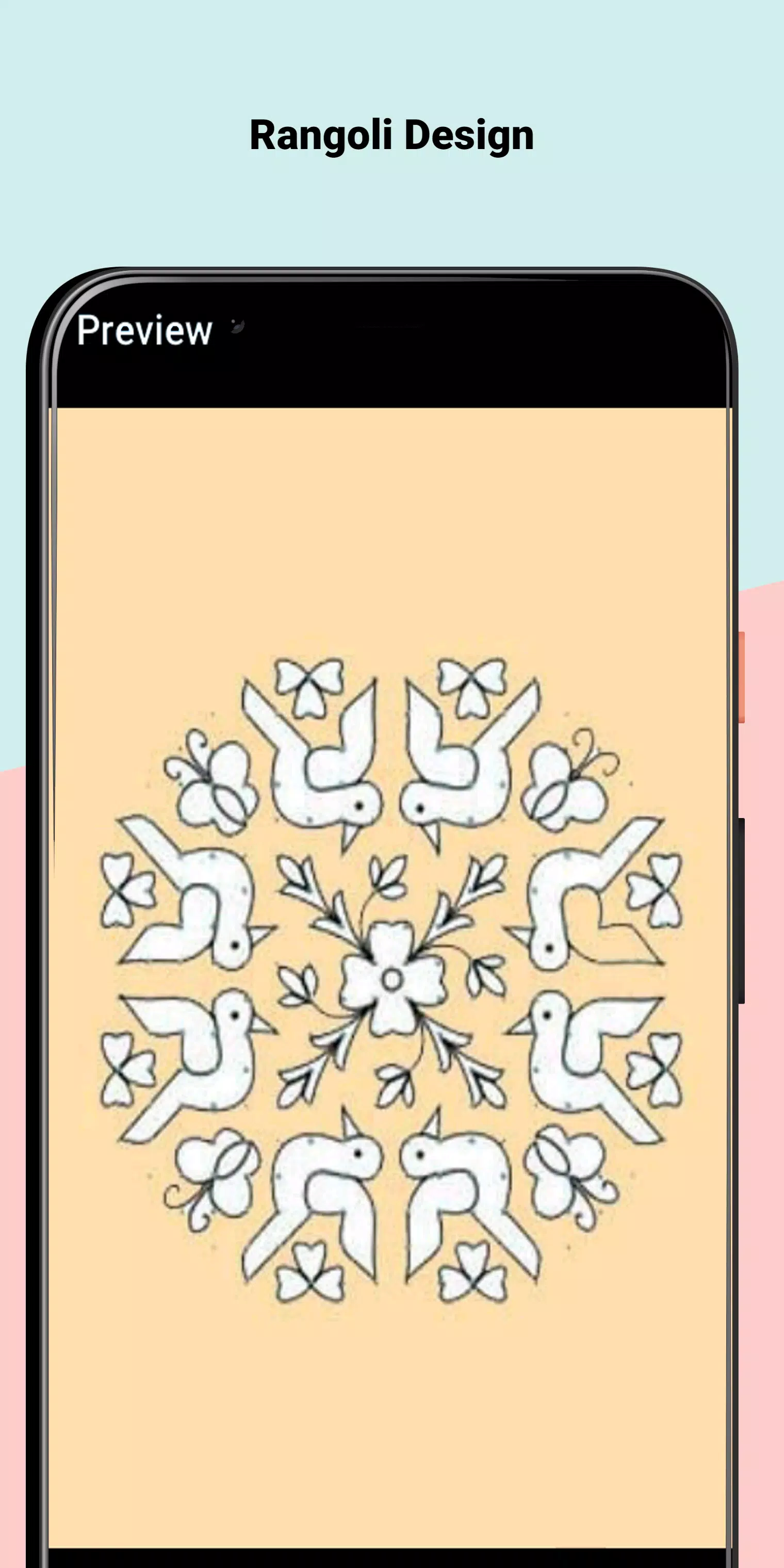

Découvrez de superbes dessins de Rangoli pour la maison!
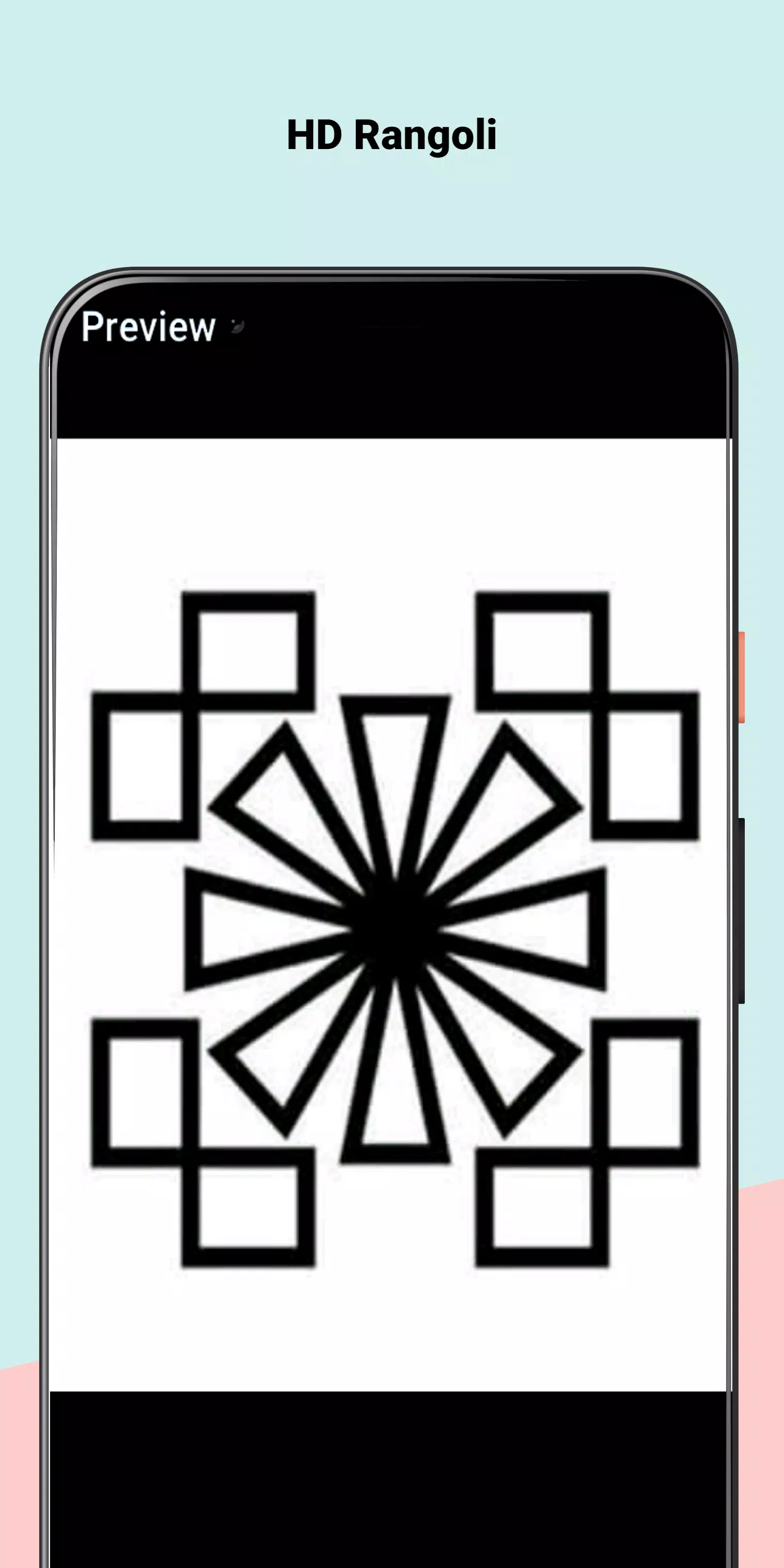
Cette application propose une vaste collection de conceptions de Rangoli simples et faciles à créer parfaites pour un usage quotidien. Ces conceptions sont idéales pour les cours avant et nécessitent un minimum de temps et d'efforts. Même les enfants peuvent facilement apprendre à les dessiner à l'aide de la farine sèche.
La collection présente une variété de styles de Rangoli, notamment Sikku Kolam, Malakala Muggulu, Dhanurmasam Rangoli, Padi Kolam, Margazhi Kolam, Sankranthi Muggulu, Simple Freehand Rangoli, Rangoli, bordures latérales avec des points et des bordures à main levée.
Améliorez votre maison et votre cour avec de beaux modèles de rangoli chaque jour!
Caractéristiques clés:
- Collection étendue: Plus de 200 conceptions de rangoli sont incluses.
- Borders latéraux: Une sélection de bordures latérales de Rangoli est également disponible.
- Instructions détaillées: Chaque conception de Rangoli fournit des détails comme le nombre de points, de lignes et de motifs de points (droits ou croisés).
- Fonction des favoris: Enregistrez vos conceptions préférées pour un accès rapide.
- Zoom Fonctionnalité: Double-tap pour zoomer sur n'importe quelle conception pour une inspection plus approfondie.
Simple Home Rangoli Design 2020 Captures d'écran
Poster des commentaires
-
1、Taux
-
2、Commentaire
-
3、Nom
-
4、E-mail
The phrase "What It Means" — particularly when used in a title like "What It Means" — often serves as a thematic or introspective prompt, inviting reflection on personal, emotional, social, or philosophical significance. Without more context (such as a song, book, movie, or speech), here’s a general interpretation of what "What It Means" could represent:
1. Personal Identity & Growth
It might explore what certain life experiences, choices, or relationships truly signify. For example:
"What it means to be a parent."
"What it means to forgive."
"What it means to find yourself."
These questions point toward introspection and emotional maturity.
2. Emotional Depth in Art
In music or film, "What It Means" often refers to the emotional core of a story or lyric. For instance:
A song might reflect on love, loss, or longing, asking the listener to consider the deeper truth behind the words.
A film might examine how characters interpret events, revealing that meaning isn’t always obvious.
3. Social or Existential Meaning
It may also touch on larger questions:
What does it mean to live a meaningful life?
What does it mean to belong in a changing world?
What does it mean to stand up for justice?
These are common themes in literature, philosophy, and modern culture.
4. Cultural or Historical Context
In some cases, "What It Means" could be tied to a specific movement, event, or cultural shift — for example:
"What It Means to Be Black in America Today"
"What It Means to Be a Refugee"
"What It Means to Survive"
These help people connect emotionally with broader truths.
💡 In short:
"What It Means" is a powerful prompt that encourages us to look beyond surface-level understanding and ask:
"Why does this matter? How does it affect us? What truth lies beneath?"
If you’re referring to a specific work (like a song by a certain artist, a book, or a speech), feel free to share more details — I’d be happy to give a deeper analysis!