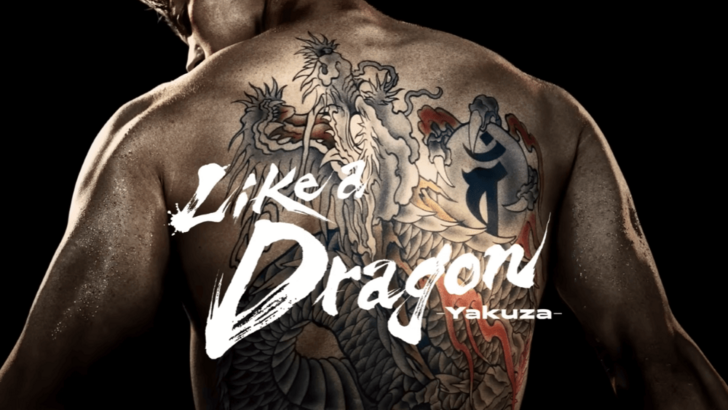
Wie ein Drache: Yakuza -Adaption - eine neue Perspektive oder ein riskantes Glücksspiel?
Die Hauptdarsteller der bevorstehenden Like a Dragon: Yakuza Series Adaption machten eine überraschende Offenbarung bei SDCC: Weder Ryoma Takeuchi noch Kento Kaku hatten vor oder während der Dreharbeiten eines der Spiele gespielt. Diese absichtliche Entscheidung zielte nach Angaben des Produktionsteams auf eine neue Interpretation der Charaktere ab, die von vorgefertigten Vorstellungen entlastet wurde.
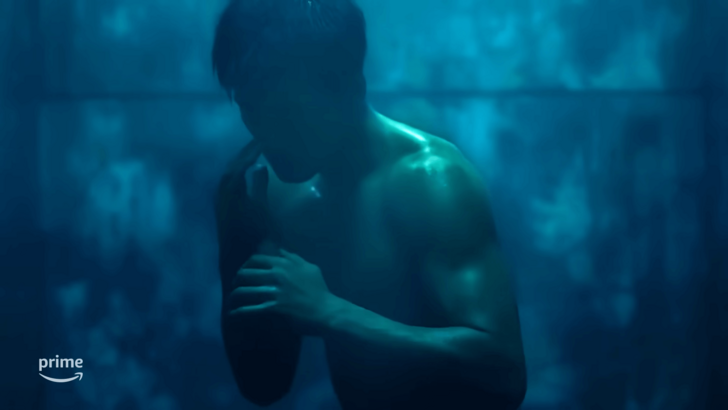
Takeuchi erklärte über den Übersetzer, dass er zwar der globalen Popularität der Spiele bewusst war, aber verhindert wurde, dass er eine neue Herangehensweise an die Darstellung des Charakters gewährleistet. Kaku betonte in ähnlicher Weise die Absicht des Teams, eine eigene Version zu erstellen und den Geist des Quellmaterials zu respektieren und gleichzeitig eine einzigartige Interpretation zu erstellen.
Diese Entscheidung hat jedoch eine hitzige Debatte unter Fans entzündet. Bedenken hinsichtlich Abweichungen aus dem Ausgangsmaterial werden durch Argumente entgegengewirkt, dass die Spielerfahrung der Akteure für eine erfolgreiche Anpassung nicht von entscheidender Bedeutung ist. Das Auslassen des legendären Karaoke -Minispiels förderte diese Ängste weiter.
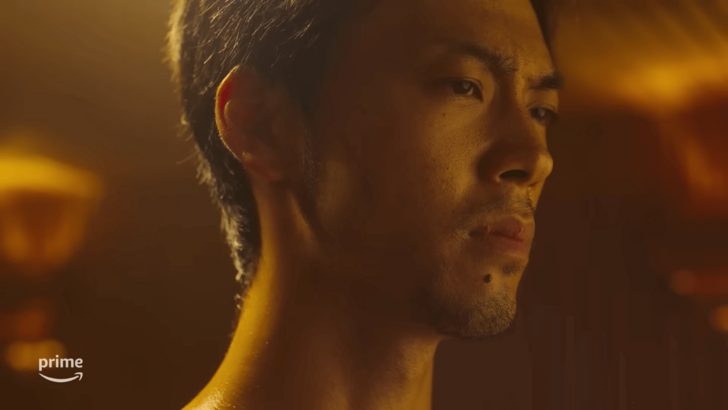
Während einige optimistisch bleiben, fragen sich andere, ob die Show die Essenz des Franchise erfassen wird. Ella Purnell, Hauptdarstellerin in der Fallout -Apaption von Prime Video (die in zwei Wochen 65 Millionen Zuschauer sammelte) hob die Vorteile hervor, sich in die Welt des Spiels für eine authentischere Darstellung einzutauchen. Sie erkannte jedoch auch die ultimative kreative Autorität der Schöpfer der Show an.
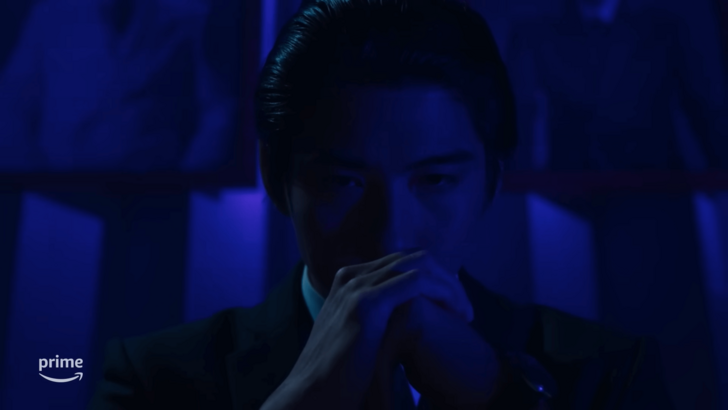
Der RGG -Studio -Regisseur Masayoshi Yokoyama drückte Vertrauen in die Vision von Direktoren Masaharu Take und Kengo Takimoto aus. Er beschrieb das Verständnis der Geschichte von Director Take als das des ursprünglichen Autors und hob das Potenzial für eine einzigartige und ansprechende Anpassung hervor. Yokoyama begrüßte ausdrücklich die frische Sicht auf die legendäre Kiryu -Figur der Show und glaubte, die Spiele hätten seine Darstellung bereits perfektioniert. Er betonte den Wunsch nach einer Anpassung, die sich nur nachahmt.
Für weitere Einblicke in die Perspektive von Yokoyama und den ersten Teaser der Show wird eine weitere Lektüre empfohlen.

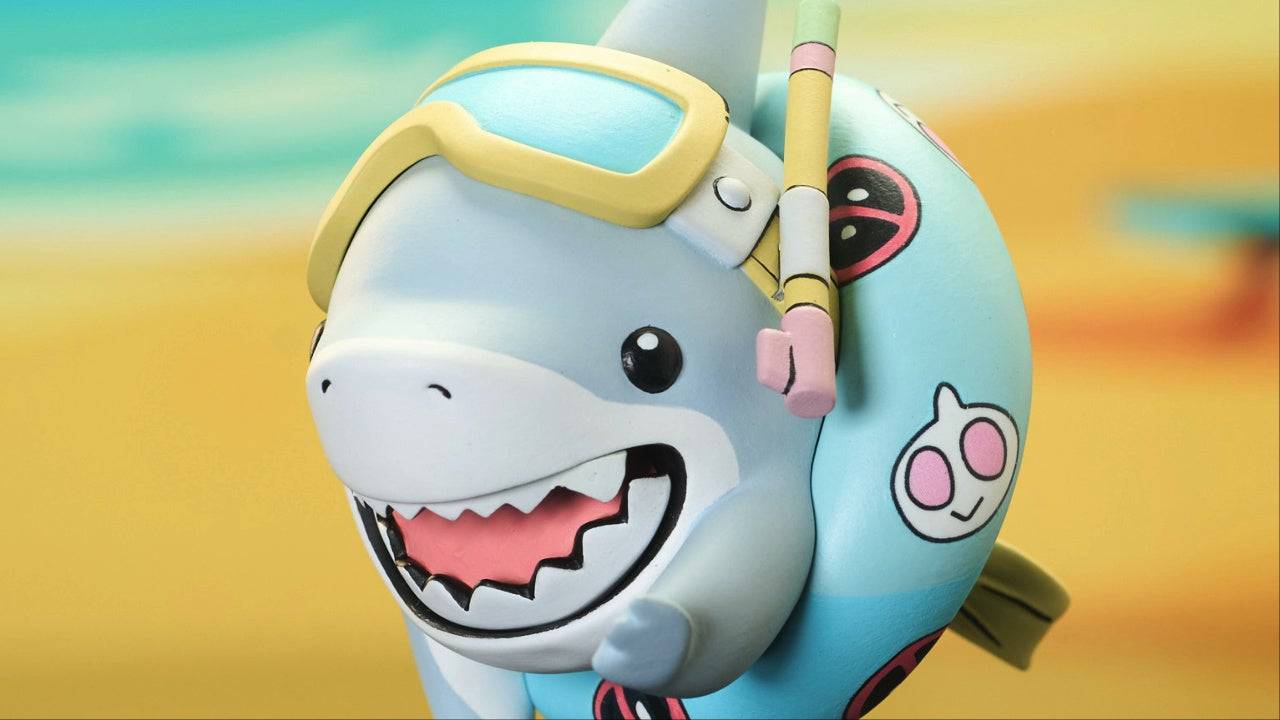
As of now, there is no official announcement from Select Toys (a division of Toy Biz and Funko) regarding a Jeff the Land Shark statue. While Jeff the Land Shark—a beloved and quirky character from Marvel Comics—has gained a cult following, especially due to his appearances in Guardians of the Galaxy and his humorous, fan-favorite status, a statue from Select Toys has not been confirmed.
However, it's worth noting that:
Select Toys has previously released statues based on Marvel characters, including members of the Guardians of the Galaxy (like Peter Quill, Groot, and Rocket).
Jeff the Land Shark has appeared in various merchandise forms, including action figures, plush toys, and collectibles from other manufacturers.
If a statue were to be released, it would likely be a high-quality, articulated or static collectible, potentially in a pose that reflects his comic-accurate, mischievous demeanor.
Fans are encouraged to check official sources such as:
Select Toys’ official website
Marvel’s official merchandise site
Major retailers like Entertainment Earth, Hot Topic, or Amazon for updates.
Until an official reveal, any news about a Jeff the Land Shark statue from Select Toys would likely be speculative or fan-generated.
Stay tuned—Jeff might just be on his way to a collector’s shelf near you! 🦜💙
The phrase "What It Means" in the context of "SV-P: What It Means" appears to be a title or a thematic expression, possibly from a song, a video, a podcast, or a personal reflection—especially given the use of "SV-P," which might stand for "Soul, Voice, Purpose," "Self-Value, Purpose," or even a name/artist alias (e.g., a musician or content creator named SV-P).
However, based on the current information and common usage, here’s a general interpretation of "What It Means" in such a context:
🎵 If it's a Song (e.g., by SV-P):
"What It Means" could be a deeply personal track exploring identity, emotional growth, or self-discovery.
The title suggests introspection—what values, experiences, or emotions are truly important in life.
It might touch on themes like:
Finding purpose in hardship
Understanding love, loss, or belonging
The weight of personal truth or authenticity
🎵 Example lyric idea:
"I've been running from the silence, now I hear the truth / What it means to be alive, and not just survive."
📌 If it's a Concept (e.g., a Podcast, Essay, or Series):
"What It Means" could be a recurring theme where individuals or experts explore the deeper significance behind everyday experiences, emotions, or societal issues.
It might dive into topics like:
What does "success" really mean?
What does it mean to be human in today’s world?
What does it mean to truly love or to be loved?
🧠 Philosophical Interpretation:
“What It Means” often points to a search for understanding—beyond surface-level appearances.
It invites reflection on values, truth, identity, and connection.
In a spiritual or existential sense, it’s about uncovering meaning in a complex or confusing world.
🔍 If You're Referencing a Specific "SV-P":
Please clarify: Is SV-P a person (e.g., an artist, YouTuber, influencer)?
Is this from a video, a song, a book, or social media?
For example:
If SV-P is a music artist, then "What It Means" might be a hit song about emotional vulnerability or resilience.
If it’s a YouTube channel, it could be a series unpacking life’s bigger questions.
💡 Final Thought:
“No matter the context, ‘What It Means’ is a powerful prompt—it invites us to pause, reflect, and seek depth in a world that often moves too fast.”
If you can share more (e.g., a song lyric, a video title, or a description), I’d be happy to help decode it even further.