

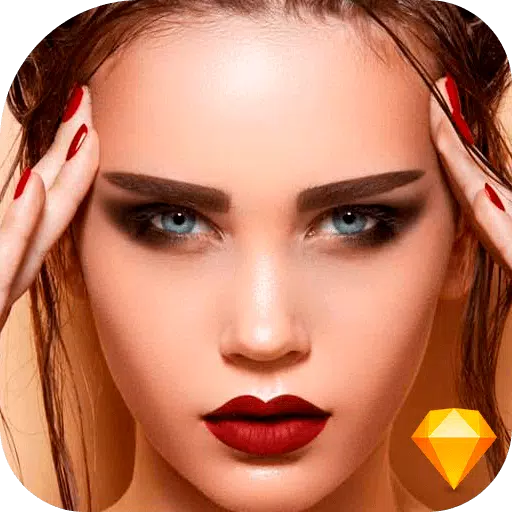
Description de l'application
Maître l'art du maquillage du confort de votre maison! Ce guide fournit des leçons de maquillage complètes pour les débutants, les techniques de couvrant et les conseils adaptés à tous les niveaux de compétence, du novice à la maquilleuse expérimentée. Découvrez de nouvelles idées et techniques de maquillage, quelle que soit votre expérience.
Le maquillage de haute qualité est désormais accessible à tous, quel que soit le budget. Ce guide vous permet de créer un maquillage d'apparence professionnelle à la maison. Apprenez les techniques fondamentales et sélectionnez des cosmétiques qui complètent votre teint pour obtenir votre aspect de rêve.
Ce guide étape par étape répond aux questions de maquillage courantes, à fournir des instructions claires et à éliminer le besoin de cours ou de consultations coûteuses. Apprenez les secrets à une application de maquillage impeccable!
Уроки макияжа Captures d'écran



Commentaires
Poster des commentaires
Jeux tendance
Applications tendance









Les sujets
Plus
Explorez le monde des jeux de casino
Personnalisez votre Android: les meilleures applications pour la personnalisation
Applications de papier peint uniques pour chaque style
Jeux d'action palpitants pour Android
Top Travel Planning Applications
Les principales applications de productivité pour rationaliser votre flux de travail
Personnalisez votre expérience Android avec ces applications
Explorez le monde des jeux d'aventure de casino
Derniers articles
Plus


Baldur's Gate 3 continue de séduire les joueurs
Oct 07,2026
Économisez gros sur Ninja Gaiden 4 chez Walmart
Oct 04,2026