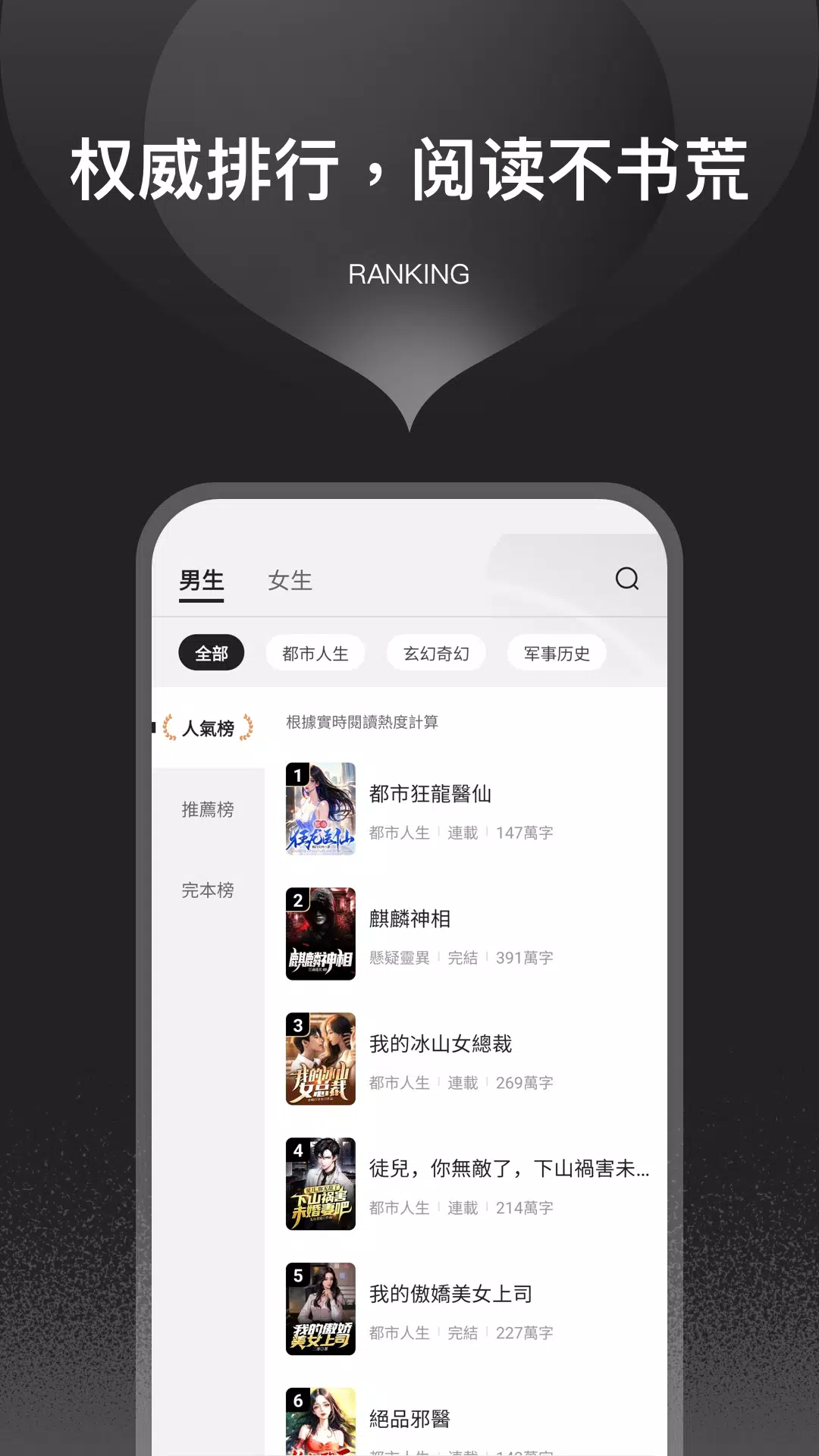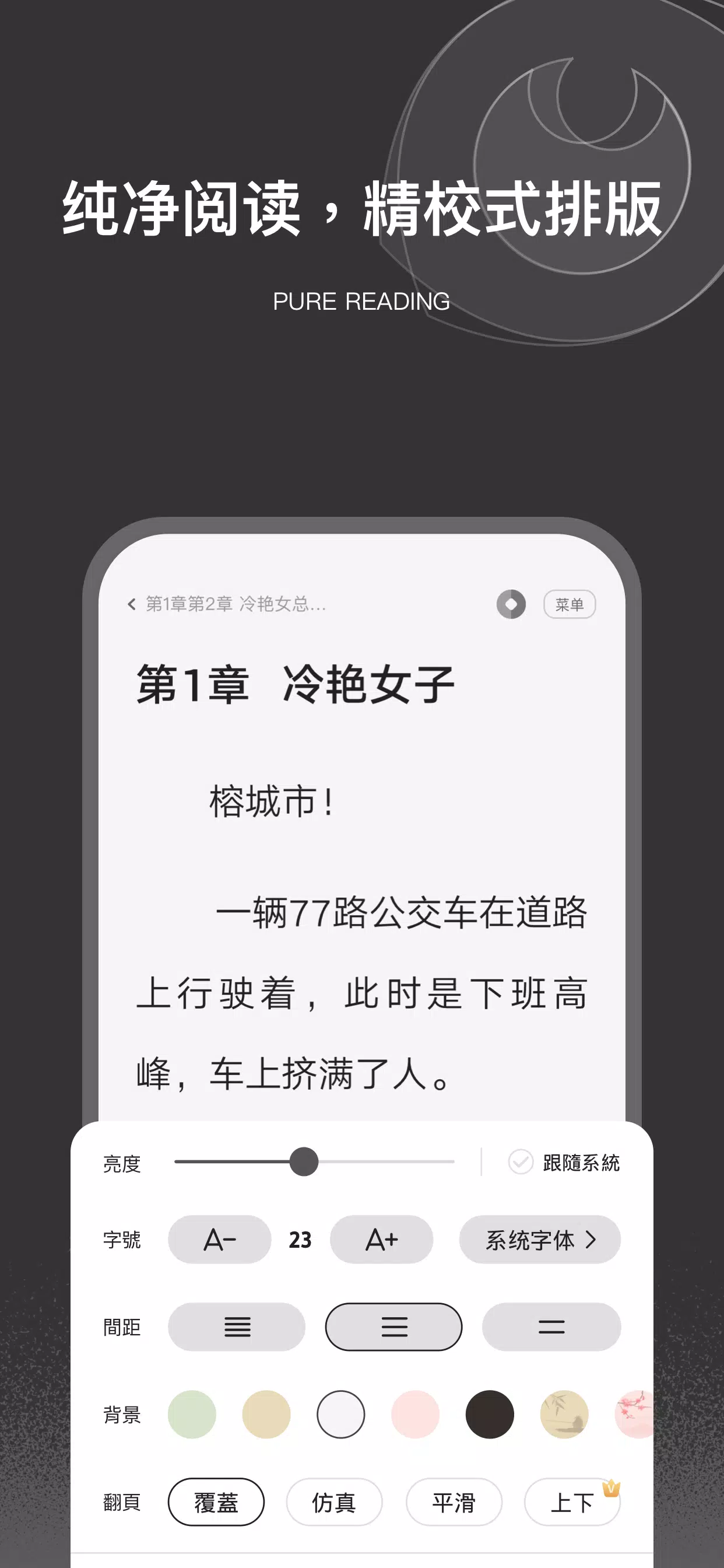

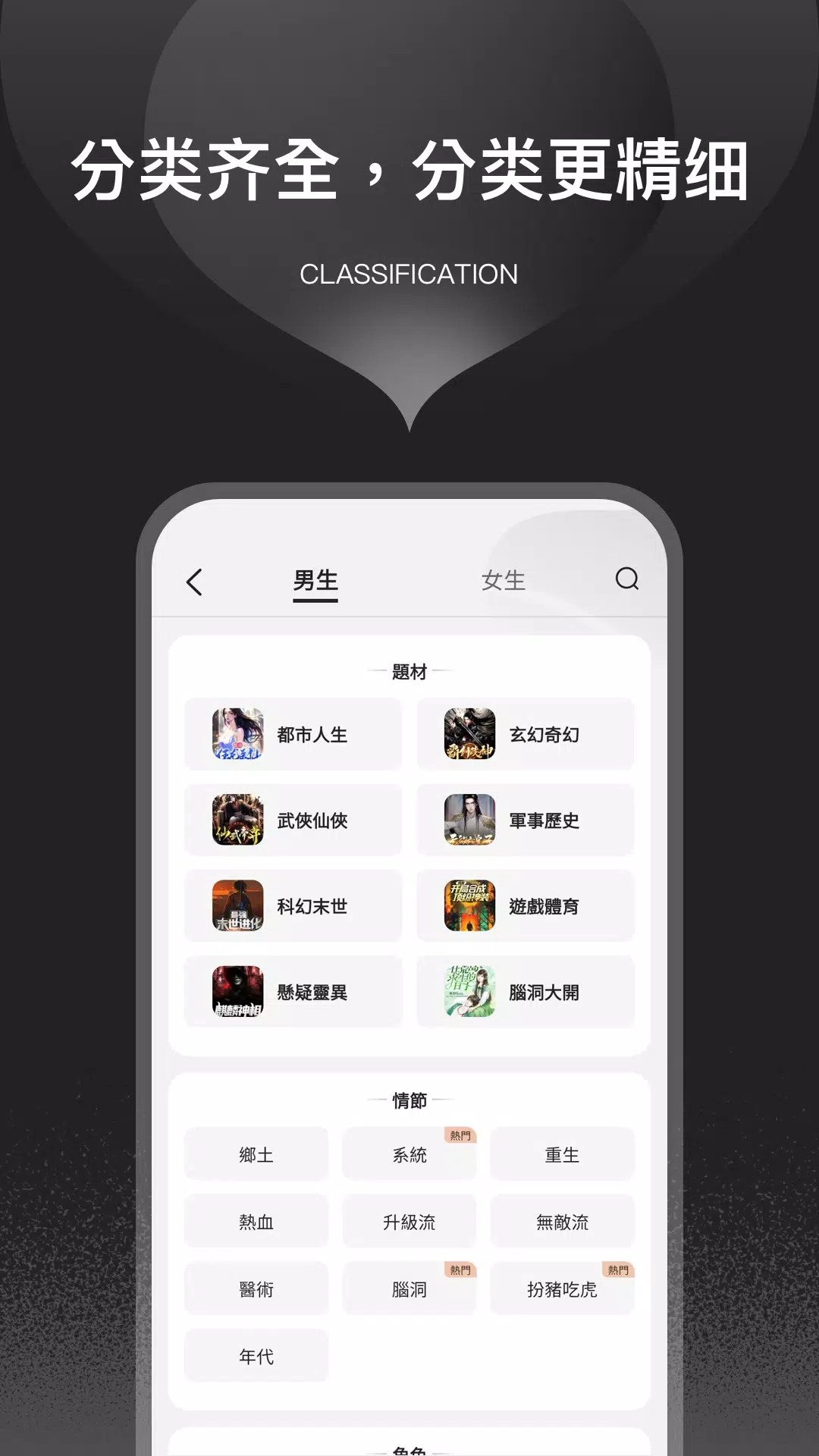
Découvrez un outil super facile à utiliser pour plonger dans le monde des livres électroniques de romans en ligne. Avec cette plate-forme, vous pouvez accéder à des millions de romans sans frais, couvrant les genres de la fantaisie et de la romance urbaine aux arts martiaux, aux thrillers, au suspense, aux militaires historiques, aux voyages dans le temps et à l'apocalypse de science-fiction. C'est l'ultime artefact E-Book conçu spécifiquement pour les lecteurs avides.
Profitez d'une vaste sélection de romans sans dépenser un sou. Avec les mises à jour quotidiennes, vous êtes sûr de trouver une histoire qui vous convient.
Quoi de neuf dans la dernière version 4.6.7.1
Dernière mise à jour le 13 novembre 2024
Correction et améliorations de bogues mineurs. Installez ou mettez à jour vers la dernière version pour le vérifier!
栗知小說-超好用的網文小說電子書追更神器總裁甜寵玄幻科幻末世 Captures d'écran
Poster des commentaires
-
1、Taux
-
2、Commentaire
-
3、Nom
-
4、E-mail
The phrase "What It Means" — particularly when used in a title like "What It Means" — often serves as a thematic or introspective prompt, inviting reflection on personal, emotional, social, or philosophical significance. Without more context (such as a song, book, movie, or speech), here’s a general interpretation of what "What It Means" could represent:
1. Personal Identity & Growth
It might explore what certain life experiences, choices, or relationships truly signify. For example:
"What it means to be a parent."
"What it means to forgive."
"What it means to find yourself."
These questions point toward introspection and emotional maturity.
2. Emotional Depth in Art
In music or film, "What It Means" often refers to the emotional core of a story or lyric. For instance:
A song might reflect on love, loss, or longing, asking the listener to consider the deeper truth behind the words.
A film might examine how characters interpret events, revealing that meaning isn’t always obvious.
3. Social or Existential Meaning
It may also touch on larger questions:
What does it mean to live a meaningful life?
What does it mean to belong in a changing world?
What does it mean to stand up for justice?
These are common themes in literature, philosophy, and modern culture.
4. Cultural or Historical Context
In some cases, "What It Means" could be tied to a specific movement, event, or cultural shift — for example:
"What It Means to Be Black in America Today"
"What It Means to Be a Refugee"
"What It Means to Survive"
These help people connect emotionally with broader truths.
💡 In short:
"What It Means" is a powerful prompt that encourages us to look beyond surface-level understanding and ask:
"Why does this matter? How does it affect us? What truth lies beneath?"
If you’re referring to a specific work (like a song by a certain artist, a book, or a speech), feel free to share more details — I’d be happy to give a deeper analysis!